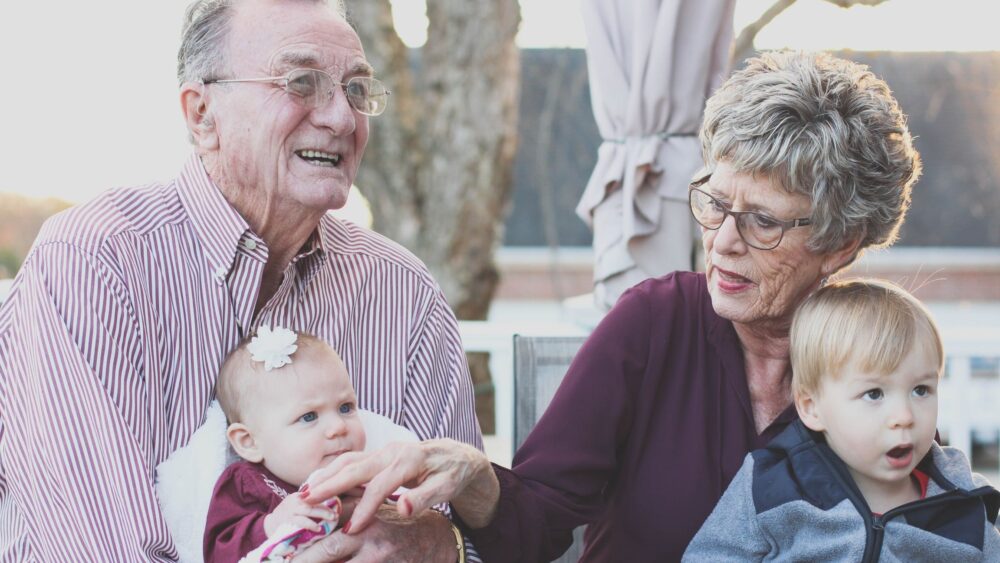
Telling grandparents the baby’s name should be a sweet moment. Sometimes it is. Sometimes it turns into a full family discussion before the baby has even arrived.
One grandparent loves the name right away. Another pauses for too long. Someone asks, “Is that a real name?” Someone else starts suggesting names from the family tree.
Grandparents usually react strongly because baby names feel personal to them too. They think about tradition, family history, culture, and the names they grew up hearing. For new parents, that can make the naming process feel even more emotional.
Some Grandparents Love the Name Instantly
This is the reaction every parent hopes for.
Some grandparents hear the baby’s name and melt right away. They repeat it, smile, and start imagining the baby with that name.
They may say things like:
- “That is beautiful.”
- “It suits the baby already.”
- “I love how soft it sounds.”
- “That name feels special.”
- “I cannot wait to meet little ___.”
These reactions make parents feel supported. After weeks or months of thinking about names, hearing simple approval can feel like a relief.
Some Need Time to Get Used to It
Not every grandparent loves a name immediately, and that does not always mean they hate it.
Sometimes a name is just new to them. It may be more modern than they expected. It may be from a different culture, a newer trend, or a style they did not grow up with.
Their first reaction might be quiet or unsure. But after saying the name a few times, it can start to feel natural.
This happens a lot with names that are:
- Short and modern
- Gender-neutral
- Rare or uncommon
- Spelled in a newer way
- Different from traditional family names
A name can feel strange at first and still become loved later.
Some Compare It to Older Family Names
Grandparents often think about family history when they hear a baby name.
They may wonder why the baby was not named after a grandparent, great-grandparent, aunt, uncle, or someone important in the family.
You may hear comments like:
- “What about your grandfather’s name?”
- “That was your great-aunt’s name.”
- “We always thought you would use a family name.”
- “No one uses traditional names anymore.”
For grandparents, these comments may come from love and memory. For parents, they can feel like pressure.
Family names can be beautiful, but not every parent wants to use one. That difference can create tension.
Some React to How Popular the Name Is
Grandparents may also notice if a name sounds common.
If they have already heard the name a lot, they may say it feels too popular. They may worry the child will have three classmates with the same name.
This usually happens with names that are currently loved by many parents.
But popularity does not make a name bad. A popular name is often popular because it is easy to say, easy to spell, and pleasant to hear.
Still, grandparents may react based on what they hear around them.
Some Think the Name Is Too Unusual
This is one of the most common grandparent reactions.
A name that feels fresh to parents may sound unusual to grandparents. They may worry people will mispronounce it or that the child will have to explain it often.
They might ask:
- “How do you say it?”
- “How do you spell that?”
- “Where did you hear it?”
- “Will people understand it?”
- “Is it a boy name or a girl name?”
These questions can feel annoying, especially if parents already love the name. But often, grandparents are trying to understand something unfamiliar.
Some Focus on Spelling
Grandparents tend to be practical about spelling.
If a name has a creative spelling, they may worry it will be hard for the child later. They may prefer the traditional version because it feels simpler and more familiar.
For example, they may like the sound of a name but question the way it is written.
This can lead to comments like:
- “Why not spell it the normal way?”
- “People will always spell that wrong.”
- “That looks complicated.”
- “The name is nice, but the spelling is different.”
Parents may see the spelling as personal and stylish. Grandparents may see it as extra work for the child.
Some Care About Meaning
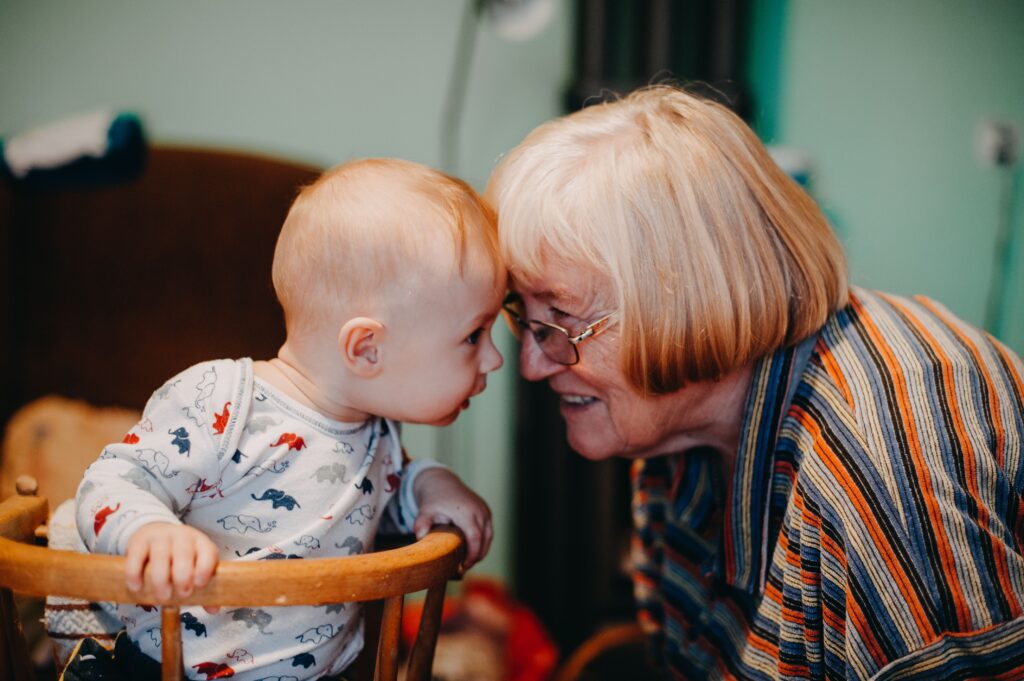
Many grandparents care deeply about name meanings.
They may ask what the name means, where it comes from, or whether it has a family or cultural connection.
For some families, meaning matters as much as sound. A grandparent may feel more connected to a name once they understand the story behind it.
Names with meanings linked to strength, hope, faith, joy, nature, or family often feel especially meaningful to older generations.
Some Worry About Nicknames
Grandparents are often quick to think about nicknames.
They may shorten the name immediately or ask what the baby will be called day to day. Sometimes they love the nickname more than the full name. Sometimes they dislike the nickname completely.
A grandparent might say:
- “Will you call him Ben?”
- “Is she going to be Ellie?”
- “That name is too long.”
- “I like the full name better.”
- “The nickname is cute.”
Nicknames can shape how a name feels in the family. Once a grandparent starts using one, it may stick.
Some Make a Face Without Meaning To
This is the reaction parents dread.
A tiny pause. Raised eyebrows. A half-smile. A confused look.
Sometimes grandparents do not mean to be rude. Their face reacts before their words catch up.
Still, it can hurt. Baby names feel emotional, and parents often want encouragement, not judgment.
A name that parents have loved quietly for months can suddenly feel shaky after one awkward reaction.
Some Try to Suggest Better Names
Even after hearing the chosen name, some grandparents keep suggesting alternatives.
They may send lists, bring up old family names, or casually mention names they like better.
This can be frustrating for parents who have already made their choice.
Common grandparent suggestions include:
- Classic names they grew up with
- Names from the family tree
- Names of relatives they loved
- Religious or cultural names
- Names they almost gave their own children
The suggestions may come from excitement, but they can also make parents feel second-guessed.
Some Change Their Mind After the Baby Arrives
A funny thing happens once the baby is born.
The name stops being just a name. It becomes attached to a real baby with tiny hands, sleepy eyes, and a little personality.
Grandparents who were unsure during pregnancy may suddenly love the name once they meet the child.
They start saying it with affection. They use it in messages. They tell friends proudly.
Many names need a face before they feel right.
Why Grandparents React So Strongly
Grandparents are not always reacting only to the name. They may be reacting to change.
Baby naming styles shift with every generation. Names that feel normal to new parents may sound unfamiliar to grandparents. Names grandparents love may feel too old-fashioned to parents.
Their reaction may come from:
- Tradition
- Family pride
- Cultural expectations
- Memories of people they knew
- Worries about teasing
- Personal taste
- A desire to feel included
That does not mean parents have to follow their opinions. It only explains why the reaction can feel so big.
The Emotional Side of Grandparent Reactions
For new parents, a baby name can feel tender. You may have imagined it for months. You may have whispered it quietly. You may have pictured it on a birth announcement or nursery wall.
So when grandparents react badly, it can sting.
It may feel like they are rejecting more than the name. It may feel like they are questioning your taste, your decision, or your role as the parent.
That is why baby name reactions can become family drama so quickly.
Why Some Parents Wait to Share the Name
Many parents now choose to keep the baby’s name private until birth.
It is not always because they want a surprise. Sometimes they simply do not want opinions while the name is still easy for others to criticize.
Before birth, a name feels like an idea. After birth, it feels like the baby.
That small difference changes how people respond.
Grandparents Usually Come Around
Not every grandparent reaction is perfect at first. Some are warm right away. Some are unsure. Some say the wrong thing. Some need time.
But in many families, the name becomes normal faster than expected.
Once grandparents start holding the baby, saying the name, and building memories with the child, the name often grows on them.
A name that once sounded “too modern” or “too different” can become the sweetest word in the family.

- Cat Names from Movies for Pet Parents Who Love Film - July 2, 2026
- Loud Luxury Baby Names That Feel Expensive - July 1, 2026
- Boy Baby Names I Would Recommend First - June 26, 2026