Russian Dog Names That Feel Strong, Warm, and Actually Usable
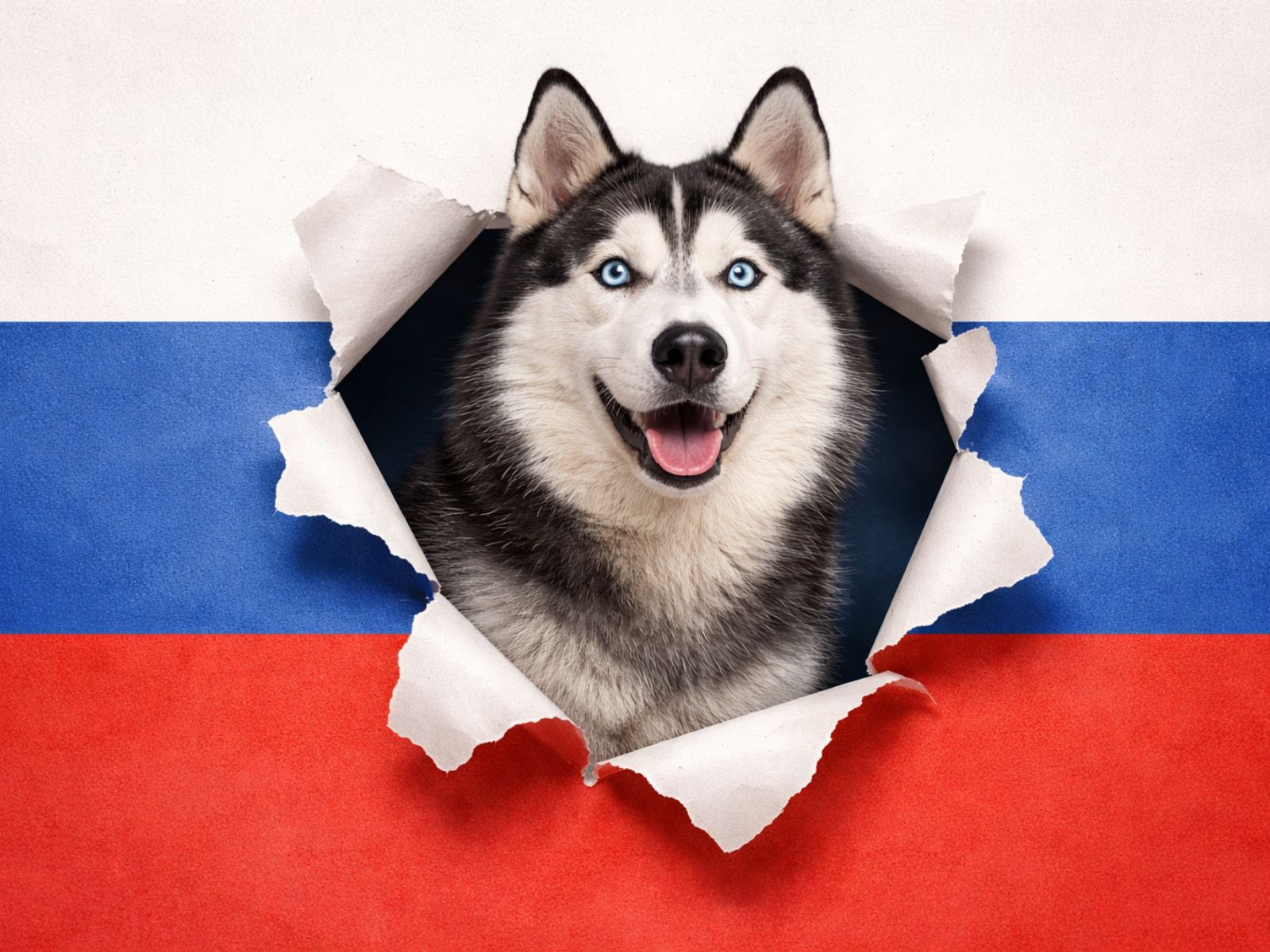
The first Russian dog name I ever really liked was Mishka, and I remember pausing because it managed to sound both sturdy

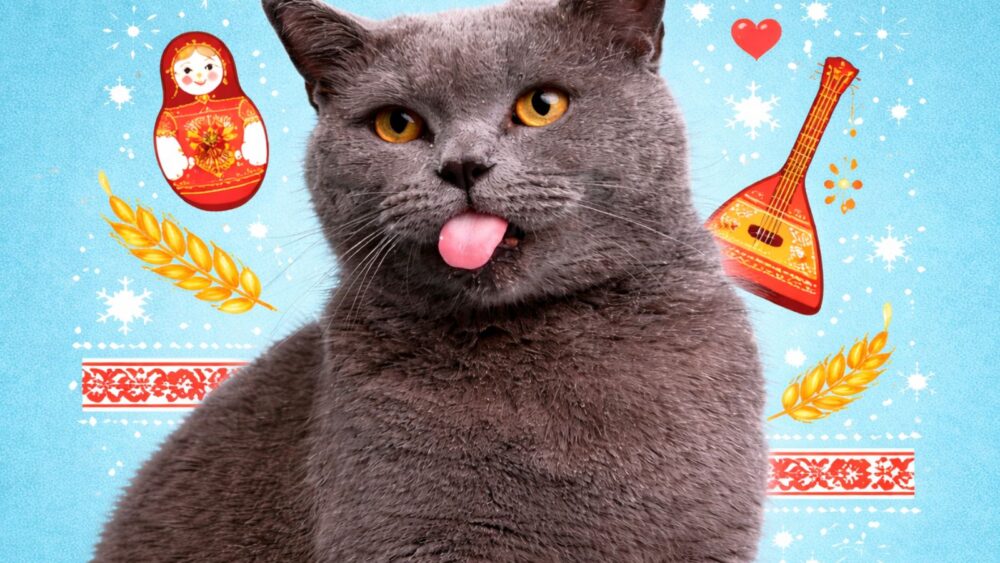
The first time I heard Barsik, I immediately understood why it keeps showing up on Russian cat-name lists. It has that exact mix I always like in pet names: warm, specific, a little playful, and impossible to mistake for anything but a cat with opinions.
That is probably why Russian cat names are so fun to browse. Some sound stately and old-world. Some are soft little nicknames that feel made for a cat who lives on windowsills and judges your life choices. And some are so tied to Russian cat culture that they instantly give the name more texture than a generic “cute pet names” list ever could.
These are the names that feel rooted, familiar, and very cat-friendly.
Barsik — often understood as a familiar cat name tied to bars, “snow leopard” or “big wild cat.” It has that classic Russian-pet feel right away. If you want one name from this whole list that sounds unmistakably feline, this is high on the shortlist.
Murzik — a traditional cat name connected to the Russian purring sound mur. Soft, affectionate, and a little old-school in the best way.
Murka — from the same mur sound family, and one of the names that feels instantly recognizable as a cat name rather than just a human one.
Kuzya — KOO-zya — a very popular cozy sort of name. It feels friendly and domestic, like a cat who acts like he owns the apartment but also wants soup weather and blankets.
Vasya — VAH-sya — short form of Vasily. This one feels extremely Russian and very easy to call across a room.
Vaska — a more casual-feeling form related to Vasya. I like it on a scrappy, self-assured cat.
Marusya — mah-ROO-sya — a cat name with a soft, old-fashioned warmth. This one feels especially right on a round-faced or fluffy cat.
Musya — tiny, sweet, and one of those names that sounds as if it was invented for a lap cat.
Masya — close to Musya in feel, but with a slightly brisker sound. Good for a kitten who turns out to be very bossy.
Dymok — dy-MOK — means “little smoke” or smoky. A natural fit for gray cats.
Dymka — the softer feminine partner to Dymok. I slightly prefer this one because the sound is rounder.
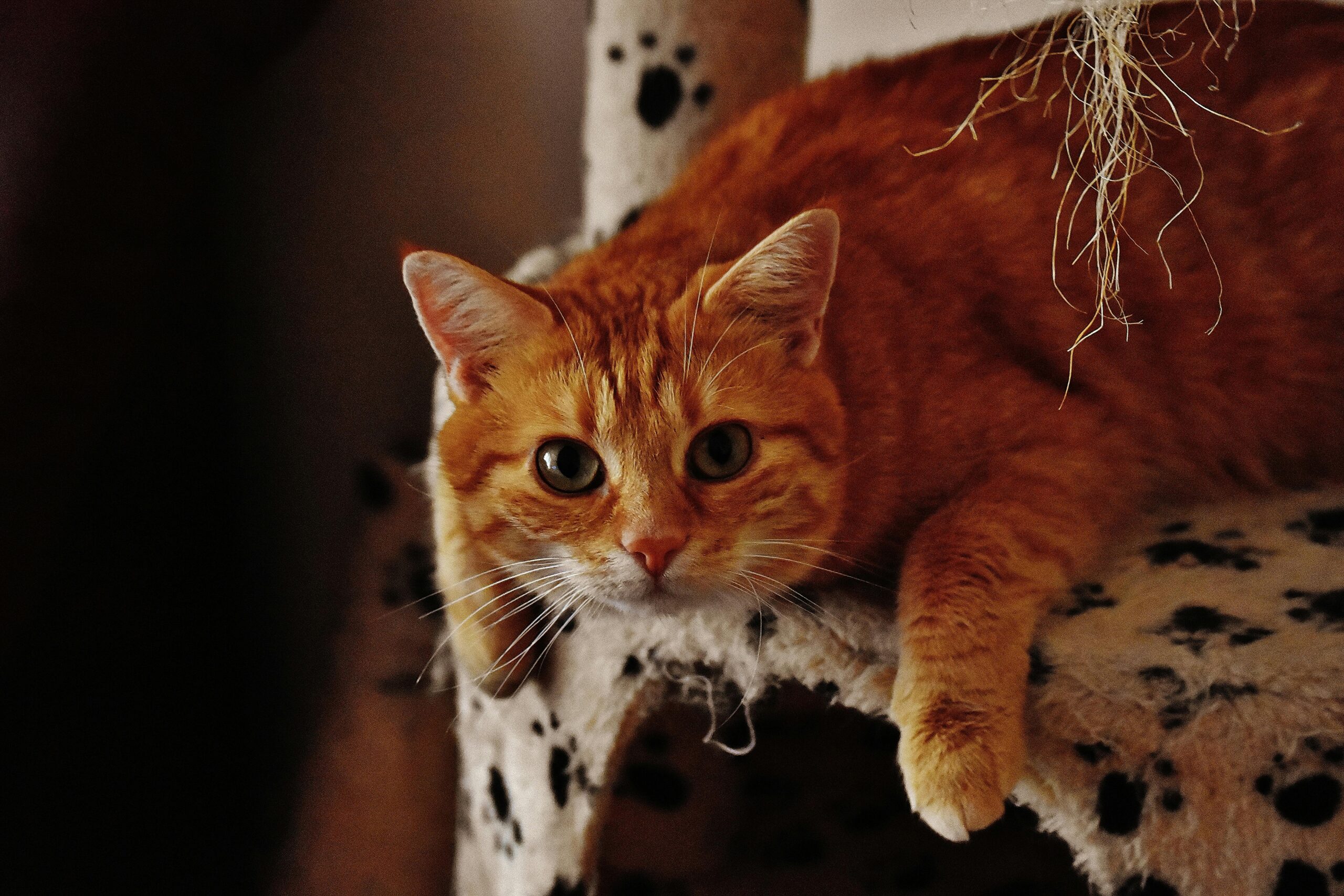
Ryzhik — RIZH-ik — used for ginger cats. Very specific, very Russian, and honestly better than a lot of basic orange-cat names in English.
Snezhok — snyeh-ZHOK — snowy or little snowball. Best on white cats, obviously.
Snezhka — a softer snowy form. I think this one sounds prettier on paper, though English speakers may trip over it at first.
Some of the best cat names are just strong human names with good rhythm.
Anya — AHN-ya — graceful, familiar, and easy even for people who do not know Russian.
Katya — KAHT-ya — one of those names that always sounds lively. Great on quick, bright-eyed cats.
Masha — MAH-sha — warm and instantly likable. This feels like a cat who pretends not to want attention and then climbs into your lap.
Dasha — DAH-sha — crisp and playful. Very usable outside Russian-speaking contexts too.
Nadia — NAH-dee-ah — hope. Soft and familiar without being overused on pets.
Lena — LYEH-na — simple, light, and underrated. I have always thought Lena works especially well for elegant cats.
Olga — OLE-gah — sturdy, memorable, and a little severe in a way I enjoy on cats.
Irina — ee-REE-na — smoother and more graceful than Olga, with a quieter feel.
Galina — gah-LEE-na — calm and old-world. This one feels especially good on long-haired cats.
Svetlana — svyet-LAH-na — luminous. Gorgeous, but I would absolutely expect some pronunciation hesitation from English speakers.
Ekaterina — yeh-kuh-tyeh-REE-na — long and regal. Probably too formal for daily use unless you love long names, but Katya makes the perfect everyday version.
Yelena — yeh-LYEH-na — shining light. This is one of those names I like more every time I hear it.
Oksana — ok-SAH-na — brisk, vivid, and stylish. Good on a cat with a bit of flair.
Tatiana — tah-tee-AH-na — dramatic without being difficult. I would use Tanya most of the time.
Tanya — TAHN-ya — shorter, more casual, and one of the easiest Russian names to live with.
Nikolai — nee-koh-LYE — grand, but still warm. Best on a cat who looks like he should be painted beside a samovar.
Misha — MEE-sha — one of the most wearable names here. Soft, friendly, and a strong option for almost any cat.
Dima — DEE-ma — compact and cheerful. Great for a cat who is always underfoot.
Igor — EE-gor — solid, memorable, and a little blunt. I like it on broad-faced male cats.
Boris — BORE-iss — famous, sturdy, and slightly comic in a good way. This one has real pet-name energy.
Ivan — ee-VAHN — a classic. Strong but not heavy.
Pyotr — PYO-tr — Russian form of Peter. Very distinctive, though you may need to coach people through the spelling.
Pasha — PAH-sha — easygoing and charming. One of the friendliest-sounding names in the bunch.
Vladimir — vlah-DEE-meer — definitely a bigger name. Better for a large cat or one with dramatic presence.
This is where Russian naming really gets fun. The nickname forms often feel warmer and better suited to pets than the full formal names.
Alyosha — ah-LYO-sha — affectionate form tied to Aleksandr. Lively and surprisingly sweet.
Kostya — KOS-tya — from Konstantin. Compact, clever, and very cat-friendly.
Grisha — GREE-sha — from Grigory. One of my personal favorites because it sounds cozy without being too cute.
Fedya — FYED-ya — from Fyodor. A little old-fashioned, which I think helps rather than hurts.
Styopa — STYO-pa — from Stepan. Less expected, and that makes it interesting.
Slava — SLAH-va — glory. Strong, but still easy to use.
Nadya — NAHD-ya — shorter form of Nadezhda. Soft and practical.
Sonya — SOHN-ya — wise and familiar. One of the smoothest crossover choices if you want Russian roots without much pronunciation trouble.
Kira — KEE-ra — concise and polished. This one feels very current without sounding trendy.
Mila — MEE-la — dear or sweet. A lot of people know it now, which makes it easy, but it still feels warm.
Zoya — ZOH-yah — life. Short, bright, and maybe one of the best Russian girl names for a cat.
Olya — OHL-ya — linked to Olga. Slightly trickier on first read, but lovely once heard aloud.
Asya — AH-sya — small, quick, and graceful. I think this one deserves more use.
Lyuba — LYOO-ba — love. Very affectionate, very soft.
Katenka — kah-TYEN-ka — endearing form of Ekaterina. Maybe a little elaborate for some tastes, but undeniably charming.
These have more story behind them, which can make a name feel more alive.
Behemoth — from The Master and Margarita. A famously chaotic cat name, and a very good one for black cats or large cats who behave like tiny gangsters.
Matroskin — from a well-known Soviet cartoon cat. This one is funny, practical, and full of personality.
Bagheera — familiar from The Jungle Book, but especially established as a black-cat name in Russian usage. Sleek and dramatic.
Alisa — Russian form of Alice, with a strong cultural footprint through books and children’s stories. Very usable and bright.
Bayun — from the folkloric Cat Bayun. Strange, memorable, and excellent if you want something a little darker and more story-rich.
Kotofey — cat-like and folklore-flavored. This one has a playful old-tale sound to it.
Gav — literally odd for a cat because it means something like “woof,” which is why it is funny. Best for people who enjoy a cat name with a wink.
Laika — technically more dog-famous globally, but still a Russian cultural name with a clean, sharp sound.
Zvezda — ZVYEZ-da — star. Strong visual image, though the consonants may feel a bit stiff for some English speakers.
Solnyshko — SOL-nysh-koh — little sun. Adorable, but this is definitely one I’d save for a cat whose nickname becomes Sunny half the time.
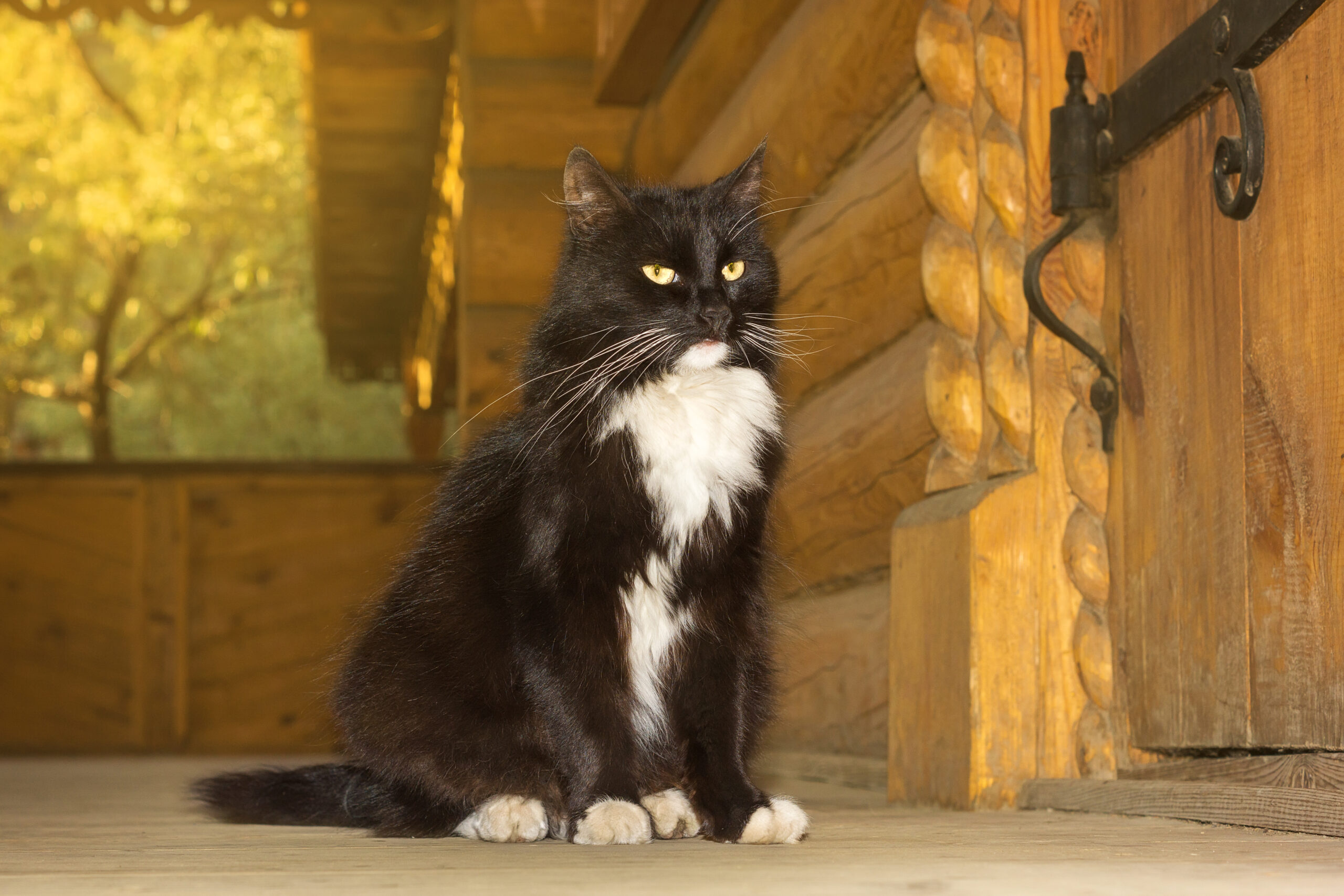
Some of the most appealing Russian-inspired cat names are simple words with a nice image.
Kisa — KEE-sa — kitty. Light, easy, and probably one of the simplest Russian pet words to use.
Kiska — KEES-ka — another kitty form, slightly more playful than Kisa.
Kotik — ko-TEEK — little male cat or affectionate kitty form. Very good sound, and honestly very cute.
Koshechka — ko-SHECH-ka — little female cat. Longer, softer, and definitely more elaborate.
Zolotse — little gold or golden one. Great for warm-colored cats, though spelling may need repeating.
Myshka — MYSH-ka — little mouse. Funny and fitting for tiny sneaky cats.
Rybka — RIB-ka — little fish. Sweet, odd, and surprisingly wearable.
Nochka — NOCH-ka — little night. This one feels poetic without being too much.
Belka — BYEL-ka — squirrel. Slightly quirky, but it has bounce.
Mechta — MYECH-ta — dream. Soft and unusual in a good way.
Barsik and Murka: classic and very cat-coded
Dymok and Ryzhik : smoky and ginger, especially good for color-matched cats
Misha and Zoya : soft, balanced, and easy to say
Katya and Dasha : lively and affectionate together
Behemoth and Bagheera : darker, more dramatic pair
Kuzya and Musya : cozy and playful
Nikolai and Tatiana : formal in the funniest possible way on housecats
The first Russian dog name I ever really liked was Mishka, and I remember pausing because it managed to sound both sturdy
Fish may be quiet, but they still have personality. Some glide calmly through the water. Others dart around like tiny rockets. Whether
Some cats are elegant. Some are mysterious. And some are absolute chaos in fur form. If your cat zooms at 3 a.m.,
A friend once introduced me to a ball python named Kevin, and honestly, it completely changed how I think about snake names.