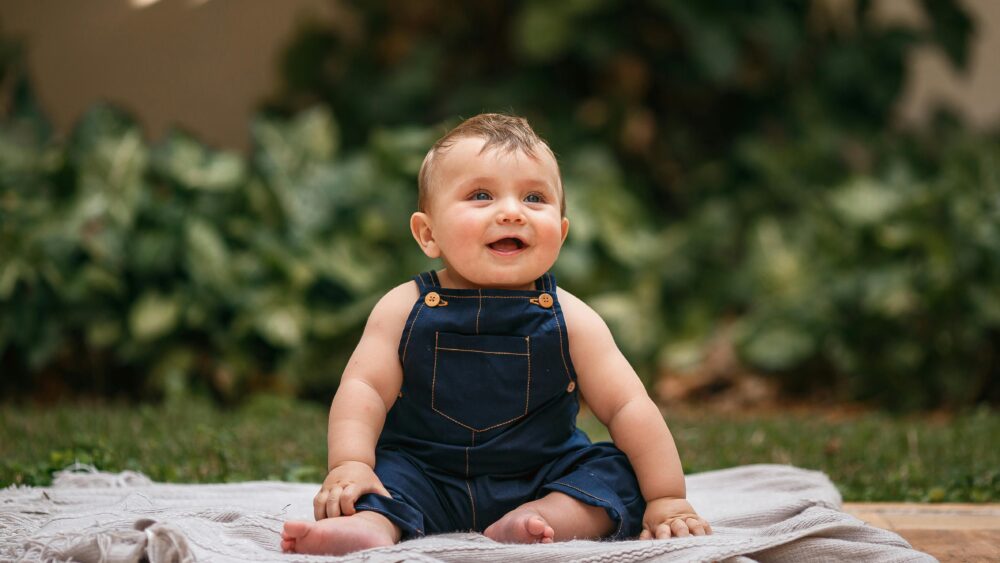
I once heard a parent say, “We had the perfect baby name until we tried yelling it from the kitchen.” That stuck with me, because baby names can be gorgeous in a notes app and strangely clunky in real life.
The baby names problem is rarely that there are no good names. It is usually the opposite. There are too many good names, too many opinions, too many family expectations, and one very real baby who will eventually have to write, say, spell, and live with the name.
This guide is for the messy middle: when you like names but cannot choose one, when your partner keeps vetoing your favorites, when your family has opinions, or when every name suddenly reminds you of someone from middle school.
What Is the Baby Names Problem?
The baby names problem is the stress, confusion, disagreement, or second-guessing that comes with choosing a child’s name.
Sometimes it is practical: the name is hard to spell, too close to a sibling’s name, or awkward with the last name.
Sometimes it is emotional: one parent loves a name and the other does not, a family name feels like pressure, or a name you liked during pregnancy feels wrong once the baby arrives.
And sometimes it is just naming fatigue. After scrolling through hundreds of names, even sweet names like Nora, Leo, Maya, or Ellis can start to feel like words that have lost their meaning.
1. You and Your Partner Like Completely Different Styles
This is one of the most common baby name problems, and it can feel weirdly personal. One parent likes soft vintage names like Clara, Arthur, and Rose. The other likes bright modern names like Kai, Nova, and Jett.
The fix is not to keep throwing names at each other until someone gives up. Try naming the style first.
For example:
- Classic and tailored: Henry, Alice, Thomas, Jane
- Soft and vintage: Florence, Walter, Mabel, Theodore
- Modern and short: Luca, Milo, Isla, Arlo
- Romantic and dramatic: Valentina, Aurelia, Raphael, Evander
- Nature-inspired: River, Sage, Hazel, Rowan
Once you know the style gap, look for bridge names.
If one person loves traditional names and the other wants something fresher, try:
- Leo instead of Leonard
- Eliza instead of Elizabeth
- Max instead of Maxwell
- Cora instead of Cordelia
- Theo instead of Theodore
I’ve always thought bridge names are underrated. They let both parents feel heard without landing on something bland.
2. The Name Sounds Beautiful Until You Say It With the Last Name
Some names are charming on their own but trip over the surname.
A name like Sienna Sullivan has a lot of repeated S sounds. Leo O’Leary can blur together. Anna Anderson may feel too echoey. That does not mean these names are unusable, but you should notice the sound before it becomes official.
Try this quick rhythm check:
- First name only: “Milo!”
- First and last: “Milo Bennett”
- Full name: “Milo James Bennett”
- Formal version: “Milo Bennett, please come forward”
- Everyday version: “Milo, grab your shoes”
Names with short surnames often carry longer first names well. Names with long surnames usually feel easier with something crisp.
Examples:
- Short surname: Alexander James Fox, Emilia Rose Quinn
- Long surname: Leo Thomas Montgomery, Nina Grace Evangelista
A tiny sound issue can become charming. A constant tongue-twister gets old fast.
3. Everyone in the Family Has an Opinion
Family opinions can make a good name feel suddenly exhausting.
Your mother may want a family name. Your in-laws may hate anything “too modern.” A sibling may claim they already wanted that name for a future child. Someone will always have known a badly behaved kid named Oliver.
The useful question is: are they giving feedback, or are they trying to vote?
Feedback can be helpful. Voting can make parents miserable.
If you love a family name but not as a first name, use it in the middle spot:
- Nora Kathleen
- Luca Raymond
- Violet Mae
- Elias George
- Margot Louise
Middle names are wonderful peacekeepers. They can honor someone without making the whole name feel inherited rather than chosen.
4. You Love a Name, But the Spelling Feels Complicated
Creative spelling can be tempting because it makes a familiar name feel more distinctive. But some spellings create daily friction.
A name like Jackson is straightforward. Jaxxon, Jaxon, Jaxson, and Jaxxen all have different vibes, and the child may have to spell it constantly.
Same with:
- Emilee instead of Emily
- Jayceon instead of Jason
- Madisyn instead of Madison
- Kayleigh, Kailey, Kaylee, and Caylee
Fair warning: if a name has five common spellings, your child may be correcting forms, teachers, and coffee cups for years.
That does not mean you must choose the most common spelling. Just choose the spelling on purpose.
A good test: would you feel proud spelling it out twenty times a month?
5. The Pronunciation Is Not Obvious
Some names are worth a pronunciation cue because they carry history, culture, or a sound you genuinely love.
But it helps to know what people may do with them.
Examples:
- Aoife, pronounced “EE-fa,” is Irish and gorgeous, but many English speakers will guess “Ay-oh-fee.”
- Niamh, pronounced “NEEV,” is another Irish favorite that often confuses people outside Irish naming circles.
- Saoirse, usually “SEER-sha” or “SUR-sha,” became more familiar because of Saoirse Ronan, but it still needs guidance.
- Elio, pronounced “EH-lee-oh,” is smooth and sunny, but some may say “EE-lee-oh.”
- Cassian, often “CASS-ee-an,” may be read as “CASH-an” by some.
I would not avoid a meaningful cultural name just because it needs explaining. I would avoid choosing one without being ready to explain it kindly and often.
6. The Name Is Too Popular for Your Taste
Popularity is strange. Some parents want a name everyone recognizes. Others feel disappointed when a name they loved quietly becomes everywhere.
Names like Olivia, Noah, Liam, Emma, Amelia, and Henry have a polished, familiar appeal. There is a reason people love them. The issue is whether you personally mind repetition.
If you love a popular name but want something a little less expected, try a neighbor name.
Instead of Olivia:
- Livia
- Olive
- Viola
- Ophelia
- Alina
Instead of Noah:
- Jonah
- Nolan
- Nico
- Owen
- Ezra
Instead of Amelia:
- Amalia
- Emilia
- Aurelia
- Mira
- Celia
The goal is not to be obscure. It is to find the level of familiarity that feels right to you.
7. The Name Is So Rare That It Feels Risky
Rare names can be wonderful. They can feel personal, stylish, and memorable. But there is a difference between rare and hard to live with.
A name like Calista, Orson, Elowen, Soren, or Liora is uncommon but still name-shaped. People can usually say it once they hear it.
A name made from random sounds or extreme spelling may feel more like a project than a name.
Ask:
- Can most people pronounce it after hearing it once?
- Does it look intentional?
- Does it have a story beyond “we wanted something different”?
- Would it work on a toddler, teenager, and adult?
- Does it leave room for a nickname?
I like rare names best when they still have roots: mythological, literary, botanical, regional, or family-based.
8. You Are Stuck Between a Safe Name and a Bold Name
This is such a real naming problem.
You may like Jane but secretly love Isadora. You may like Luke but keep thinking about Aurelio. One feels steady. The other feels exciting.
A useful compromise is to pair one bold name with one grounded name.
Examples:
- Isadora Jane
- Aurelio James
- Evangeline Ruth
- Caspian Thomas
- Magnolia Claire
- Raphael Dean
Or flip it:
- Jane Isadora
- Luke Aurelio
- Ruth Evangeline
- Thomas Caspian
- Claire Magnolia
Middle names are a safe place for drama. First names have to do more everyday work.
9. The Name Has a Meaning You Do Not Love
Meaning matters more to some families than others. I do not think every name needs a perfect poetic meaning, but I do think you should know the meaning before you commit.
For example:
- Mallory is often associated with “unfortunate” or “ill-fated.”
- Kennedy is commonly linked to “helmeted head.”
- Cecilia is traditionally connected to “blind.”
- Calvin comes from a word connected to “bald.”
These meanings do not ruin the names. Plenty of people love them for sound, family ties, or famous bearers. But if meaning is important to you, check before you fall too hard.
Names with gentle meanings include:
- Mira, often linked with “wonder” or “peace” depending on origin
- Felix, meaning “happy” or “fortunate”
- Nadia, meaning “hope” in Slavic usage
- Asher, meaning “happy” or “blessed”
- Esme, often connected with “esteemed” or “beloved”
One small note: meanings can vary by language and source. If a meaning feels central to your choice, look at more than one origin explanation.
10. You Love a Name From Another Culture and Feel Unsure
This is where naming gets delicate.
Some names travel easily across languages. Some names are deeply tied to a culture, religion, or community. Some sit somewhere in the middle.
Names like Sofia, Mateo, Nina, Leo, Maya, and Elias feel widely used across cultures. Names like Priya, Fatima, Cian, Akari, Yael, or Thiago carry stronger cultural signals, though many also travel beautifully.
The question is not “Can I use it?” in every case. The better question is “Do I understand it?”
Consider:
- Is the pronunciation important?
- Is it religiously significant?
- Is it strongly tied to a language or community?
- Do you have family, heritage, place, faith, or personal connection to it?
- Are you using the name respectfully, or just because it looks pretty?
I’m not a fan of treating cultural names like aesthetic objects. But I do love when parents choose names with curiosity, care, and a real connection.
11. The Initials Spell Something Awkward
Initials are easy to forget until the monogram arrives.
Check the full initials with first, middle, and last name. Then check first and last initials. Then check common username-style combinations.
Examples to notice:
- Ava Sophia Smith becomes A.S.S.
- Peter Oliver Owens becomes P.O.O.
- Lily Olivia Lane becomes L.O.L.
- Benjamin Joseph could become BJ, which some families may not mind and others definitely will.
This is not about panicking over every possible joke. Kids can turn anything into a joke. But if the initials create an obvious problem, it is better to know early.
12. The Nickname Is Not What You Want
Nicknames have a life of their own.
If you name a child Theodore, people may say Theo or Teddy. If you choose Isabella, Bella and Izzy are likely. If you choose Charlotte, Charlie and Lottie may appear.
You do not have to love every possible nickname, but you should be able to live with the obvious ones.
Examples:
- Margaret: Maggie, Greta, Maisie, Margot
- Elizabeth: Ellie, Libby, Beth, Eliza, Lizzie
- Alexander: Alex, Xander, Lex
- Josephine: Josie, Jo, Posy
- Sebastian: Seb, Bash, Bastian
One of my favorite tricks is choosing a formal name where you genuinely like at least two nickname options. It gives the child room to grow.
13. The Sibling Names Feel Too Similar
Sibling names do not need to match, but they should not blur together.
Milo and Myles, Ella and Bella, Leo and Theo, or Ava and Eva can sound cute at first and confusing later.
Think about calling them across a playground. If the names are too close in sound, rhythm, or spelling, you may want more distance.
Better sibling pairings:
- Milo and Jude
- Ella and Claire
- Leo and Felix
- Ava and Ruby
- Theo and Jasper
- Maya and Elise
For siblings, I like names that feel like they belong in the same family without sounding like a theme set.
14. The Name Feels Too Tied to a Celebrity or Character
Some names are heavily shaped by famous people or fictional characters.
Adele, Zendaya, Elvis, Hermione, Khaleesi, Beyoncé, and Madonna all carry strong associations. That does not make them unusable, but it changes the experience of the name.
Ask whether the association feels temporary or permanent.
Names like Luna and Arya became more familiar partly through pop culture, but they also have broader roots and appealing sounds. A name like Hermione is still strongly tied to one character for many English-speaking people.
If you love a famous-name vibe but want less baggage, try adjacent names.
Instead of Hermione:
- Helena
- Imogen
- Beatrice
- Minerva
- Cordelia
Instead of Elvis:
- Ellis
- Everett
- Elio
- Silas
- Levi
15. You Are Naming for a Baby, Not a Future Adult
This is the quiet baby names problem nobody likes to mention.
Some names are adorable on a newborn but harder to picture on an adult. Others feel too serious for a baby but age beautifully.
Names like Lulu, Coco, Buddy, Honey, and Pixie can be sweet, but you may want a formal option behind them.
Examples:
- Lucy called Lulu
- Colette called Coco
- Bennett called Benny or Buddy
- Helena called Honey at home
- Beatrix called Bea or Trixie
Pet names and childhood nicknames do not have to do the full legal-name job. Give the child options.
16. You Chose a Name, But It Still Does Not Feel Real
Sometimes the name is fine. You are just waiting for the baby to grow into it.
Many parents feel strange saying a newborn’s name at first. That does not always mean the name is wrong. It may mean you are adjusting to the enormous reality of a new person.
Try using the name in small, ordinary sentences:
- “Good morning, Nora.”
- “Leo needs a diaper.”
- “This is Maya’s blanket.”
- “Can you hold Julian for a minute?”
- “I packed Sophie’s bag.”
If you keep avoiding the name entirely, that is worth paying attention to. If it simply feels new, give it a little time.
17. You Have Baby Name Regret
Baby name regret is more common than people admit. Sometimes it comes from pressure. Sometimes the name became more popular than expected. Sometimes the spelling is a hassle. Sometimes the name just does not feel like your child.
First, separate outside noise from your own feeling.
Ask:
- Do I dislike the name, or did someone make me feel embarrassed?
- Do I dislike the full name, or only the nickname?
- Would a middle name solve the issue?
- Is the pronunciation problem manageable?
- Have I given myself time to adjust?
- Does my partner feel the same way?
Possible fixes include:
- Using a nickname more often
- Switching to the middle name
- Adjusting pronunciation within reason
- Using initials
- Legally changing the name if the regret is strong and persistent
There is no shame in realizing a name does not fit. The kindest answer is the one that gives your child a name you can say with warmth.
Quick Baby Name Problem Checklist
Before you settle on a name, check these small things:
- Does it sound clear with the last name?
- Are the initials okay?
- Can you spell it without explaining it every time?
- Do you like the likely nicknames?
- Does it fit with sibling names?
- Do you know the meaning or origin?
- Is the pronunciation manageable?
- Would you still like it if it became more popular?
- Does one parent secretly dislike it?
- Can you imagine saying it lovingly on a very normal Tuesday?
A Few Names That Solve Common Naming Problems

If You Want Classic but Not Boring
- Clara, pronounced “KLAIR-uh,” feels vintage but not dusty.
- Julian, pronounced “JOO-lee-en,” is gentle, literary, and easy to wear.
- Lydia has old roots but still feels crisp.
- Simon is familiar without being everywhere.
- Alice is simple, storybook, and quietly strong.
If You Want Unusual but Usable
- Elowen, pronounced “EL-oh-wen,” is Cornish and nature-linked.
- Soren, often “SOR-en,” has a cool Scandinavian feel.
- Liora, pronounced “lee-OR-ah,” feels lyrical and warm.
- Caspian sounds adventurous but still polished.
- Maren, pronounced “MAIR-en” or “MAR-en,” is understated and fresh.
If You Want Soft Names That Age Well
- Nina
- Ellis
- Maeve
- Luca
- Iris
- Ansel
- Mira
- Felix
- Celia
- Rowan
These names have enough personality for childhood and enough steadiness for adulthood.